By Tight Travellers, June 2025
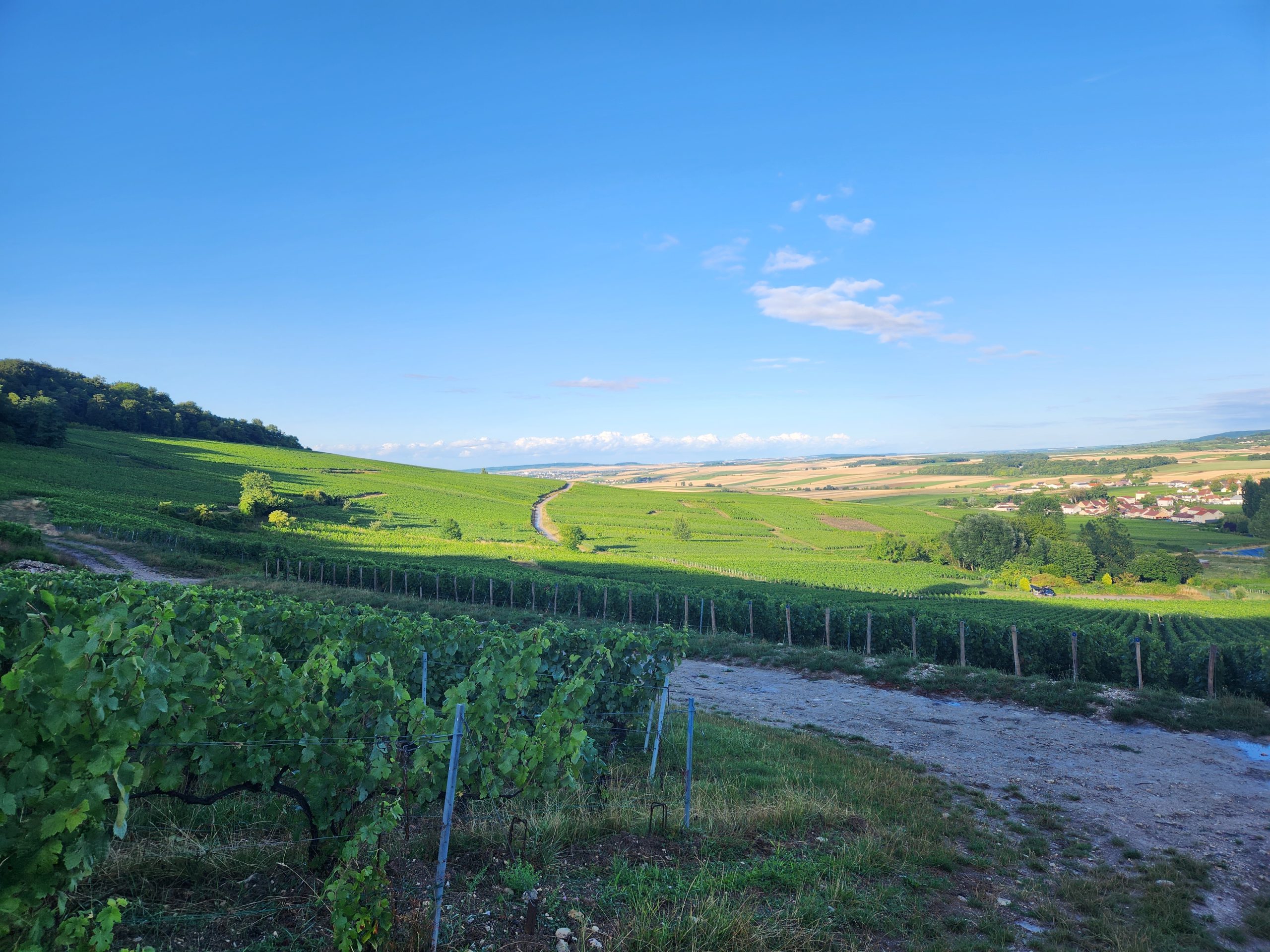
France is one of the easiest countries for us British folk to road trip; mainly because you can jump on’t Euro tunnel and be abroad in 35 minutes! Whether you’re chasing lavender fields in Provence, coastal cliffs in Normandy, or the vineyards of Bordeaux, driving in France gives you the freedom to explore off the beaten path without relying on pricey tours or rigid train timetables.
Here’s everything a budget-savvy traveller needs to know before hitting the French roads.
Why Drive in France?
France has a well-maintained, scenic road network with charming villages, world-class countryside, and epic coastlines. Renting a car (or jumping on the Eurotunnel) gives you flexibility, especially in rural regions where public transport is limited.
Driving lets you:
- Explore hidden gems beyond big cities
- Camp or stay in remote Airbnbs
- Save money by shopping at local supermarkets
- Road trip with friends and split costs
Subscribe
Join us on our adventure, get stingy tips straight to your email!
What You Need to Drive in France
Valid Driver’s License
- EU/EEA licenses are fine.
- For other travelers (e.g., UK, US, Australia), an International Driving Permit (IDP) is often recommended- some rental agencies require it.
Vehicle Insurance
- If renting, third-party insurance is required by law (usually included).
- Consider excess reduction insurance for peace of mind.
Vehicle Equipment Checklist (required by law):
- High-visibility vest (1 per person)
- Warning triangle
- Headlight beam deflectors (for UK cars)
- Breathalyzer (technically required, but no fines for not having one)

Top Budget Tips
1. Rent a car in smaller towns or suburbs.
Rates are often cheaper outside major airports and cities. Compare on sites like Skyscanner or Booking.com.
2. Book a manual (unless you need automatic).
Automatics are more expensive and limited in supply.
3. Fuel = “Essence” or “Gazole.”
Diesel (Gazole) is cheaper than petrol (Essence). Know what your car takes before you fill up!
4. Use free autoroutes (N roads) instead of toll highways (A roads).
Tolls (péages) can get pricey fast. Use the “avoid tolls” setting in Google Maps.
5. Shop at supermarkets for snacks and meals.
Look for Intermarché, Lidl, Carrefour, or Aldi.
Driving Rules to Know
- Drive on the right. Overtake on the left.
- Seat belts are mandatory for everyone.
- Mobile phones can only be used hands-free.
- Blood alcohol limit is 0.05% (0.02% for new drivers).
- Speed Limits:
- Cities: 50 km/h
- Country roads: 80 km/h
- Dual carriageways: 110 km/h
- Motorways: 130 km/h (110 km/h in rain)
Speed cameras are common, and fines can follow you home (even abroad).

Parking Tips
- Blue lines = pay & display (limited time)
- White lines = free parking
- Yellow = no parking
Use apps like PayByPhone, Flowbird, or EasyPark in cities. In rural towns, parking is often free and easy.
Road Trip on a Budget
- Shop at local markets for picnic meals
- Stay at municipal campsites or cheap campgrounds (often €5–€15/night)
- Plan a route with scenic detours (like the Route des Grandes Alpes or Loire Valley castles)
- Use apps like Park4Night for wild camping spots or free overnight parking
Final Thoughts
Driving in France gives you the kind of freedom public transport can’t match, and it doesn’t have to blow ya budget. With a little planning and a tight traveller mindset, you can road trip through vineyards, villages, and valleys at your own pace.
So grab your keys, pack your snacks, and let the French roads lead you to the next adventure.
